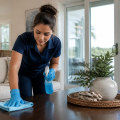
When it comes to maintaining a clean and healthy living environment, understanding the different types of cleaning is essential. Among the most common methods are standard cleaning and deep cleaning, each serving distinct purposes and requiring varying levels of effort and time. While both approaches aim to enhance the cleanliness of your home, they differ significantly in scope, frequency, and the areas they target.
Standard cleaning
typically involves routine tasks that keep your home looking tidy on a day-to-day basis. This includes activities such as dusting surfaces, vacuuming floors, and wiping down kitchen counters.These tasks are often performed weekly or bi-weekly and focus on maintaining a basic level of cleanliness. On the other hand, deep cleaning goes beyond the surface to tackle dirt and grime that accumulate over time in hard-to-reach places. This method is usually recommended on a less frequent basis, such as once every few months, and includes thorough cleaning of areas like behind appliances, inside cabinets, and even washing walls. Understanding these differences is crucial for homeowners who want to ensure their living spaces are not only visually appealing but also hygienic. As we delve deeper into this topic, we will explore the specific tasks involved in both standard and deep cleaning, helping you determine which method best suits your needs and lifestyle.
What is Standard Cleaning?
Standard cleaning refers to the routine maintenance of a home or office space, aimed at keeping it tidy and presentable.This type of cleaning is typically performed on a regular basis, such as weekly or bi-weekly, and focuses on the most visible areas of a property.Common standard cleaning tasks include:
- Dusting surfaces, including shelves, furniture, and baseboards
- Vacuuming carpets and rugs
- Mopping hard floors
- Wiping down kitchen counters and appliances
- Cleaning bathrooms, including sinks, toilets, and mirrors
- Emptying trash bins
- Making beds and changing linens
Benefits of standard cleaning
are numerous:- Maintains hygiene: Regular cleaning helps reduce the buildup of dust, allergens, and germs.
- Enhances appearance: A clean space is visually appealing and creates a welcoming atmosphere.
- Saves time: Routine cleaning prevents the need for extensive deep cleaning sessions.
- Promotes mental well-being: A tidy environment can lead to reduced stress and increased productivity.
What is Deep Cleaning?
Deep cleaning is a thorough and comprehensive cleaning process that goes beyond the surface to eliminate dirt, grime, and allergens from your home or office.Unlike standard cleaning, which typically focuses on maintaining cleanliness through regular tasks, deep cleaning targets areas that are often overlooked and requires more intensive effort.Some common deep cleaning tasks include:
- Scrubbing grout and tile: This involves using specialized cleaners to remove stains and buildup from bathroom and kitchen surfaces.
- Cleaning behind appliances: Deep cleaning requires moving appliances like refrigerators and stoves to clean the hidden areas that accumulate dust and debris.
- Washing windows: This includes cleaning both the interior and exterior of windows, ensuring a streak-free shine.
- Dusting high and low: Deep cleaning involves dusting ceiling fans, light fixtures, baseboards, and other hard-to-reach areas.
- Cleaning upholstery: This may involve steam cleaning carpets, sofas, and chairs to remove stains and allergens.
Lastly, a deep clean creates a more inviting environment, enhancing the overall aesthetic of your space.In summary, while standard cleaning is essential for maintaining a tidy space, deep cleaning is crucial for achieving a truly clean and healthy environment. Regularly scheduling deep cleaning sessions can lead to long-term benefits for both your health and your home.
Key Differences Between Standard and Deep Cleaning
Understanding the differences between standard cleaning and deep cleaning is essential for maintaining a healthy and inviting living environment. While both methods aim to keep your space clean, they differ significantly in terms of tasks performed, frequency, and purpose.Tasks Performed:
- Standard Cleaning: This routine cleaning typically includes basic tasks such as dusting surfaces, vacuuming carpets, mopping floors, and cleaning bathrooms. The focus is on maintaining cleanliness and tidiness.
- Deep Cleaning: In contrast, deep cleaning involves more intensive tasks that target areas often overlooked during standard cleaning.
This includes scrubbing grout, washing windows, cleaning behind appliances, and sanitizing high-touch surfaces.
Frequency:
- Standard Cleaning: Generally performed on a weekly or bi-weekly basis, standard cleaning helps to keep dirt and clutter at bay.
- Deep Cleaning: Recommended every few months or at least twice a year, deep cleaning is essential for tackling accumulated grime and ensuring a thorough clean.
Purpose:
- Standard Cleaning: The primary goal is to maintain a clean and organized space that is comfortable for daily living.
- Deep Cleaning: This method aims to provide a comprehensive clean that not only enhances the appearance of your home but also improves overall hygiene by eliminating allergens and bacteria.
When to Choose Standard Cleaning vs. Deep Cleaning
Choosing between standard cleaning and deep cleaning depends on several factors, including your specific needs, budget, and the time available for cleaning. Understanding when to opt for each type can help you maintain a clean and healthy living environment.When to Opt for Standard Cleaning
Standard cleaning is ideal for regular maintenance of your home.It typically includes basic tasks such as:
- Dusting surfaces
- Vacuuming and mopping floors
- Cleaning bathrooms and kitchens
- Wiping down countertops and appliances
- Homes that are generally tidy and require upkeep
- Regular schedules, such as weekly or bi-weekly cleanings
- Situations where time and budget are limited
When to Choose Deep Cleaning
Deep cleaning, on the other hand, goes beyond the surface to tackle areas that are often overlooked. It includes:- Cleaning behind appliances
- Scrubbing grout and tile
- Dusting ceiling fans and light fixtures
- Cleaning windows and baseboards
- Your home hasn’t been cleaned thoroughly in a while
- You’re preparing for a special event or guests
- You have allergies or health concerns that require a more thorough approach
Common Myths About Standard and Deep Cleaning
When it comes to cleaning, many people hold misconceptions about the differences between standard and deep cleaning.Understanding these myths can help you make informed decisions about your cleaning needs.
- Myth 1: Standard cleaning is just as effective as deep cleaning. While standard cleaning focuses on surface-level tidiness, deep cleaning involves a thorough approach that targets hidden dirt and allergens. This means that deep cleaning is essential for maintaining a truly clean environment.
- Myth 2: Deep cleaning is only necessary for homes with pets or children. Although households with pets or kids may require more frequent deep cleans, anyone can benefit from this comprehensive service. Dust, mold, and bacteria can accumulate in any home, making deep cleaning important for everyone.
- Myth 3: You can achieve a deep clean with just a few extra hours of standard cleaning. Deep cleaning requires specific techniques and tools that go beyond what is typically used in standard cleaning. It often includes tasks like scrubbing grout, washing baseboards, and sanitizing high-touch areas.
- Myth 4: Deep cleaning is only needed once a year. The frequency of deep cleaning depends on various factors such as lifestyle, location, and personal preferences.
Many experts recommend scheduling a deep clean at least twice a year to maintain a healthy living space.
Tips for Effective Standard and Deep Cleaning
When it comes to maintaining a clean and healthy living environment, understanding the nuances between standard cleaning and deep cleaning is essential. Here are some practical tips to help you execute both types of cleaning effectively.Effective Standard Cleaning Tips
- Create a Cleaning Schedule: Establish a routine that includes daily, weekly, and monthly tasks. This ensures that all areas of your home receive attention regularly.
- Use the Right Tools: Equip yourself with essential cleaning supplies such as microfiber cloths, all-purpose cleaners, and a vacuum cleaner with HEPA filters to capture dust and allergens.
- Focus on High-Traffic Areas: Pay special attention to areas like the kitchen and bathroom, where germs tend to accumulate.
Wipe down surfaces daily to maintain cleanliness.
- Declutter Regularly: Keep surfaces clear of unnecessary items. This not only makes cleaning easier but also creates a more organized space.
Effective Deep Cleaning Tips
- Plan Ahead: Deep cleaning requires more time and effort. Set aside a full day or weekend to tackle this task without interruptions.
- Prioritize Areas: Start with the most neglected areas, such as behind appliances, inside cabinets, and under furniture. These spots often harbor dirt and grime.
- Use Specialized Cleaners: Invest in products designed for specific tasks, such as grout cleaners for tile or upholstery cleaners for furniture.
These can yield better results than standard cleaners.
- Don’t Forget the Details: Pay attention to light fixtures, baseboards, and vents. These often-overlooked areas can significantly impact the overall cleanliness of your home.
Conclusion: Choosing the Right Cleaning Method for Your Needs
In conclusion, understanding the differences between standard cleaning and deep cleaning is essential for maintaining a healthy and inviting living environment. Each method serves distinct purposes and caters to different needs, making it crucial to choose the right approach based on your specific circumstances.Standard cleaning
is ideal for regular upkeep, focusing on surface-level tasks that keep your home looking tidy and presentable. This method is typically performed on a weekly or bi-weekly basis and includes activities such as:- Dusting surfaces
- Vacuuming and mopping floors
- Wiping down kitchen counters and appliances
- Cleaning bathrooms
This thorough approach is recommended periodically, such as every few months or before special occasions. Key tasks involved in deep cleaning include:
- Cleaning behind and underneath furniture
- Scrubbing grout lines in bathrooms and kitchens
- Washing windows and window treatments
- Deep-cleaning carpets and upholstery
Whether you opt for standard or deep cleaning, prioritizing these practices will contribute to a healthier home environment.